Thermal Imaging for Electrical System Risk Detection
Electrical failures rarely happen without warning. Overheating connections, overloaded circuits, and failing components generate heat long before they fail.
Infrared thermography identifies these hidden risks early, helping commercial and industrial facilities in Oklahoma City prevent downtime, equipment damage, and safety hazards.
Professional thermal inspections provide documented insight that protects operations and supports proactive maintenance planning. These inspections also help maintenance teams prioritize repairs, reduce unplanned outages, and maintain the reliability of critical electrical infrastructure across the facility.
Infrared thermography helps facilities:
- Detect loose electrical connections
- Identify overloaded circuits
- Prevent equipment failure
- Reduce unplanned downtime
How Infrared Thermography Works
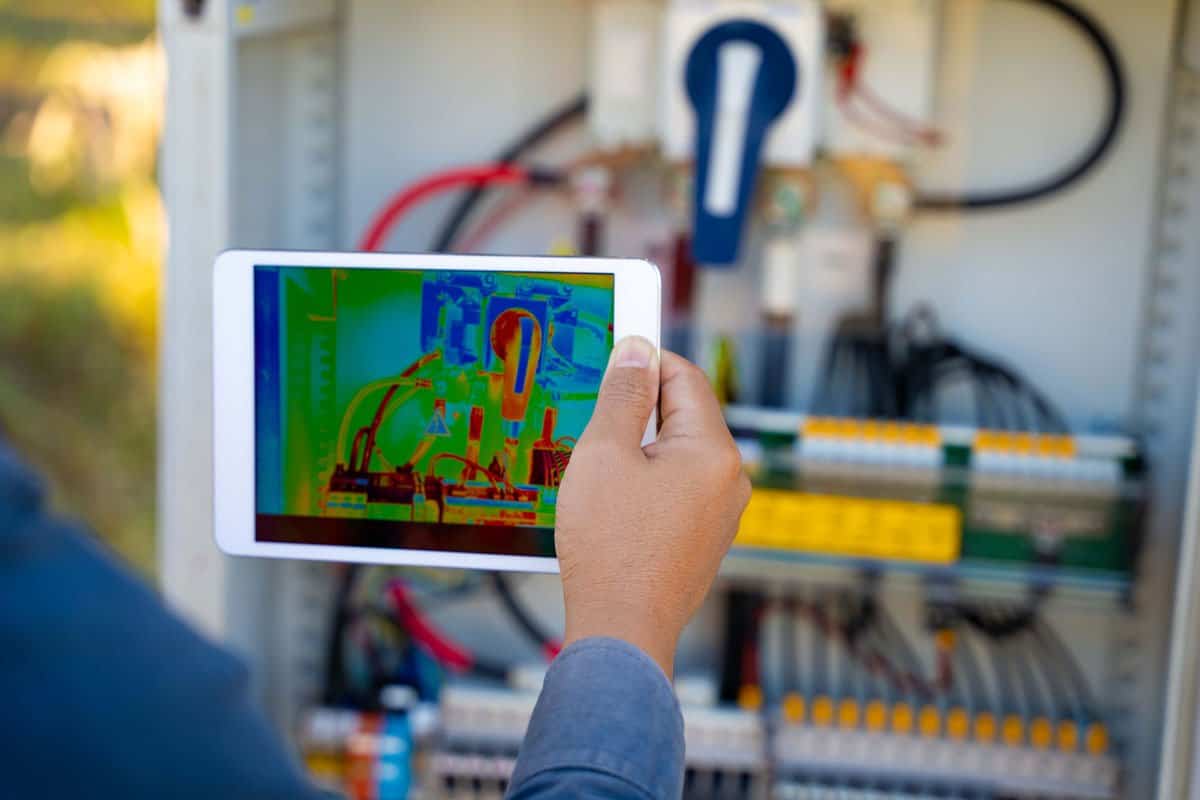
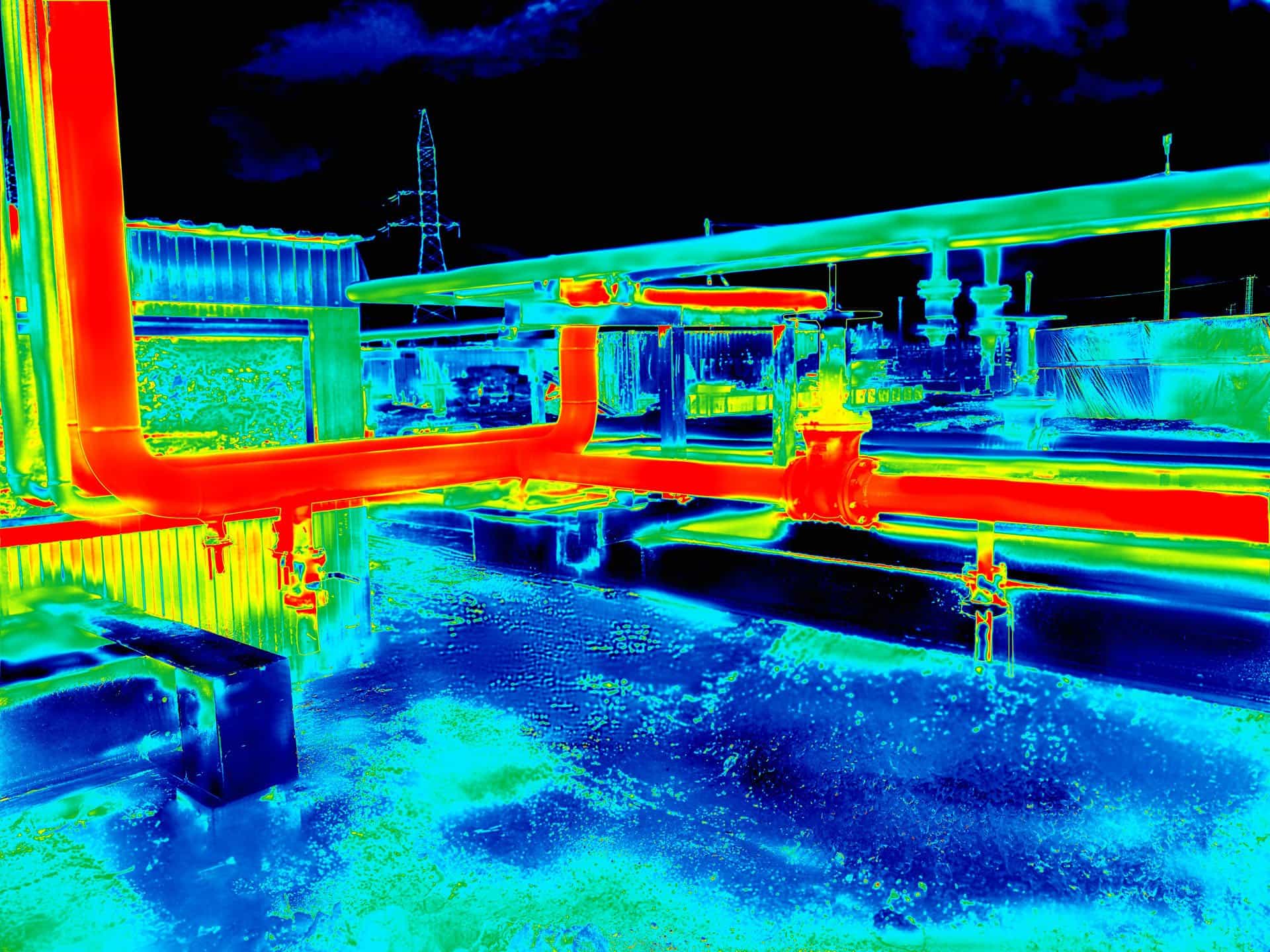
Infrared thermography uses advanced thermal imaging cameras to detect temperature variations within electrical systems while equipment remains energized and under normal load. Abnormal heat patterns often indicate loose connections, phase imbalances, overloaded conductors, deteriorating components, or insulation breakdown.
1. Initial Consultation & Scope Definition
We review your facility type, electrical infrastructure, critical equipment, and operational priorities. This allows us to define inspection zones, access requirements, and compliance considerations.
2. On-Site Thermal Inspection
Our technicians perform a systematic scan of switchgear, panels, transformers, motor control centers, disconnects, and distribution equipment. Inspections are conducted safely and in accordance with applicable OSHA and NFPA standards.
3. Analysis & Risk Classification
Thermal anomalies are evaluated and categorized by severity. We distinguish between minor variances and conditions that require immediate corrective action.icable OSHA and NFPA standards.
4. Detailed Reporting & Recommendations
You receive a structured report with thermal images, visual reference photos, temperature differentials, and prioritized corrective recommendations. This documentation supports maintenance planning, insurance requirements, and internal compliance protocols.
Unlike generic electrical contractors who treat thermography as an add-on service, McLearen Electric integrates thermal imaging into a disciplined preventive maintenance strategy focused on long-term reliability.
Our Approach to Electrical Risk Management
Infrared thermography is more than a scan - it is a diagnostic tool within a structured reliability program. We prioritize:
- Strict adherence to safety procedures
- Structured inspection methodology
- Clear documentation and reporting standards
- Actionable recommendations, not vague observations
- Long-term system performance, not short-term fixes
We approach every facility with the understanding that electrical reliability directly impacts operational continuity, employee safety, and financial stability. Our goal is to help you detect issues early, plan strategically, and avoid reactive emergency repairs.
From your first call to final reporting, the process is structured and predictable.
After your inquiry, we schedule a brief consultation to define the scope and confirm access requirements. Inspections are typically performed during normal operating conditions to capture accurate thermal data. Depending on facility size, most inspections are completed within a single scheduled visit.
Following the inspection, you receive a formal report outlining findings, severity levels, and recommended next steps. If corrective work is required, we provide clear options and can coordinate scheduling to minimize disruption to your operations.
Communication is direct, timely, and documented at every stage.